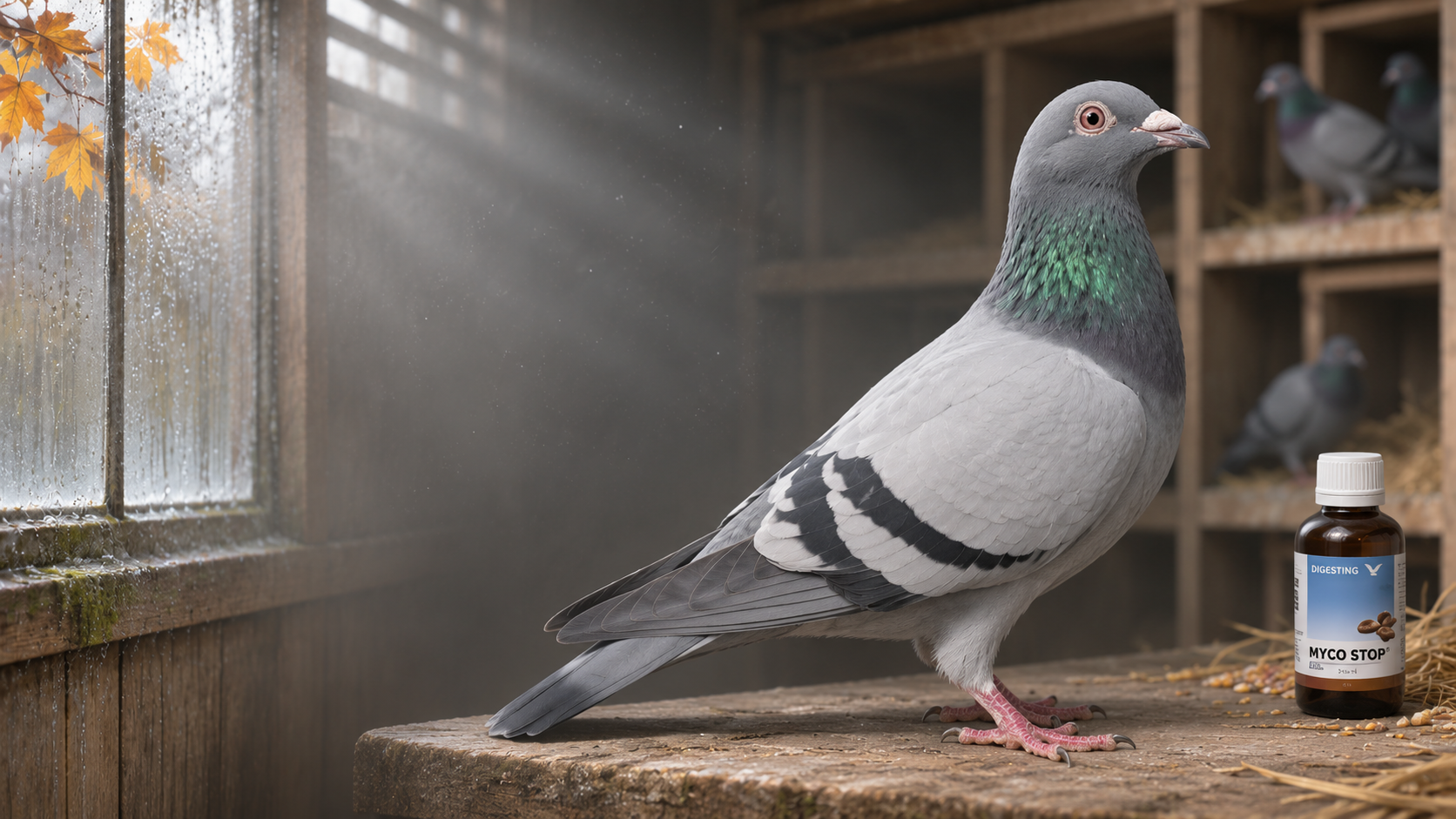
The threat posed by fungi is often underestimated, as their presence is not always visible to the naked eye. Microscopic fungal spores may be present in the air, feed, dust and on pigeon loft equipment, posing a risk to the health of the entire flock.
Why Does Autumn Promote Fungal Growth in Pigeon Lofts?
During autumn, several factors contribute to the growth and proliferation of fungi:
Advertisement
- Increased air humidity.
- Condensation on walls and ceilings.
- Reduced ventilation to retain warmth.
- Damp feed and bedding.
- Accumulation of droppings and organic matter.
- Overcrowding in pigeon lofts.
- Increased physiological stress associated with moulting.
It is important to remember that excessively sealing the pigeon loft to protect birds from the cold may do more harm than good. Inadequate air circulation encourages the accumulation of moisture, fungal spores and other harmful contaminants.
Aspergillosis – A Dangerous Respiratory Disease
One of the most serious fungal threats to pigeons is aspergillosis, caused by fungi of the genus Aspergillus, particularly Aspergillus fumigatus.
These fungi can grow in damp feed, bedding, droppings and other organic materials. Their microscopic spores become airborne and enter the bird's body through inhalation.
Aspergillosis primarily affects the lungs and air sacs, causing inflammatory lesions and impairing the normal functioning of the respiratory system.
Symptoms that pigeon fanciers should watch out for include:
- Rapid and laboured breathing.
- Open-beak breathing.
- Reduced flight performance.
- Rapid fatigue.
- Lethargy and weakness.
- Gradual weight loss.
- Reduced appetite.
- Death in advanced cases.
Aspergillosis can develop gradually, without obvious symptoms for an extended period. Young birds, weakened pigeons and those with compromised immune systems are particularly vulnerable.
The disease is not usually transmitted directly from one pigeon to another. Multiple birds may become affected as a result of exposure to the same heavily contaminated environment.
Candidiasis – A Threat to the Digestive System
Another fungal disease affecting pigeons is candidiasis, also known as a yeast infection, most commonly caused by Candida albicans.
Yeasts may naturally occur in the digestive tract of birds. Problems arise when they multiply excessively due to factors such as disruption of the natural gut microbiota, weakened immunity, poor hygiene or unnecessary use of antibiotics.
The most common symptoms include:
- Whitish deposits in the oral cavity.
- Impaired crop emptying.
- Regurgitation of feed.
- Loss of appetite.
- Weight loss.
- Weakness and stunted growth in young birds.
It is important to remember that similar symptoms may also occur in other diseases, including trichomoniasis (canker). Therefore, an accurate diagnosis should be based on a veterinary examination.
Mycotoxins – A Hidden Danger in Pigeon Feed
Fungi themselves are not the only threat to pigeons. The toxic metabolites they produce, known as mycotoxins, can also pose a serious health risk.
Certain fungal species belonging to the genera Aspergillus, Penicillium and Fusarium can produce substances that are harmful to birds.
Consuming feed contaminated with mycotoxins may lead to:
- Weakened immunity.
- Liver and kidney damage.
- Digestive disorders.
- Deterioration in overall condition.
- Increased susceptibility to other infections.
- Reduced breeding performance.
One particularly concerning fact is that feed contaminated with mycotoxins does not always show visible signs of mould or have an unpleasant smell. Simply drying the grain does not guarantee the removal of toxins that have already formed.
This is why proper storage of grain mixtures is so important, especially during periods of increased air humidity.
How to Effectively Reduce Fungal Growth in Pigeon Lofts
1. Ensure Proper Ventilation
Continuous air exchange helps reduce excessive humidity and the concentration of airborne fungal spores. Ventilation should be effective without creating direct draughts in areas where pigeons rest.
2. Monitor Humidity Levels
It is advisable to equip the pigeon loft with a hygrometer and regularly monitor indoor conditions. Condensation, damp walls and a musty smell are warning signs that should never be ignored.
3. Remove Droppings and Dust Regularly
Accumulated organic matter provides a potential breeding ground for fungi. When cleaning the loft, try to minimise the amount of dust stirred up into the air, as it may contain large quantities of fungal spores.
4. Store Feed Under Appropriate Conditions
Feed should be stored in a dry, clean area protected from moisture. Feed bags should not be placed directly on damp floors, and pigeons should never be given suspicious or mouldy grain.
5. Maintain Good Feeder and Drinker Hygiene
Regular cleaning of drinkers, replacing drinking water and removing leftover feed help limit the proliferation of undesirable microorganisms.
6. Carry Out Proper Disinfection
Disinfection should always be preceded by thorough mechanical cleaning of surfaces. It is advisable to use products with proven fungicidal properties, specifically designed for animal housing, and to follow the manufacturer's instructions.
Birds should not be exposed to irritating disinfectant fumes or aerosols.
7. Support Your Pigeons' Natural Immunity
A well-balanced diet, an adequate supply of essential nutrients, access to fresh drinking water and minimising stress are particularly important during autumn and the moulting season.
Unnecessary use of antibiotics should also be avoided.
Supplementing your pigeons' diet with herbal preparations such as MYCO STOP can help support the flock's natural defences during this challenging period.
Can Fungi in Pigeon Lofts Also Pose a Risk to Pigeon Fanciers?
Airborne fungal spores can also pose a health risk to humans. People with respiratory conditions, allergies or weakened immune systems should take particular precautions.
When cleaning heavily dusty or mould-contaminated environments, it is advisable to wear appropriate respiratory protection, such as an FFP2 or FFP3 filtering face mask.
Summary
Autumn fungal disease prevention should be a fundamental part of maintaining pigeon health. A dry and well-ventilated loft, high-quality feed, regular cleaning and proper hygiene can significantly reduce the risk of fungal diseases.
Remember that caring for the health of the pigeons themselves is not enough. The environment in which they spend their days is equally important.
A healthy pigeon loft is the foundation of a healthy flock. During autumn, it is far better to prevent fungal growth than to deal with its consequences later.